






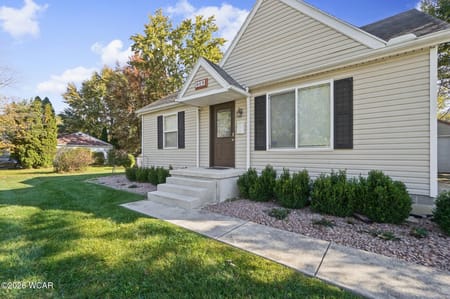




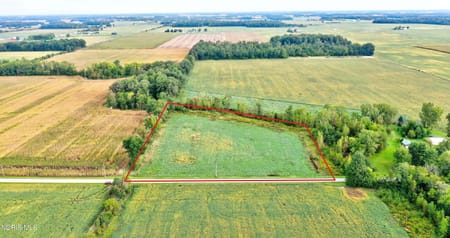
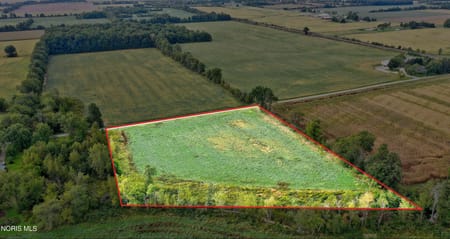





Residential Land for Sale in Ohio and What to Know Before You Buy a Home With Acreage
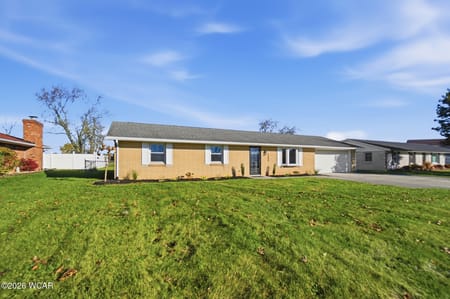
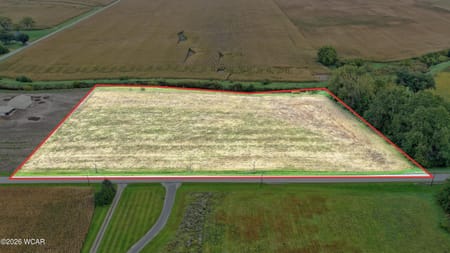
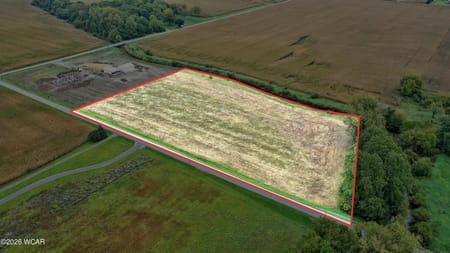
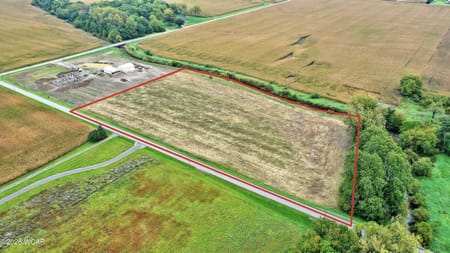
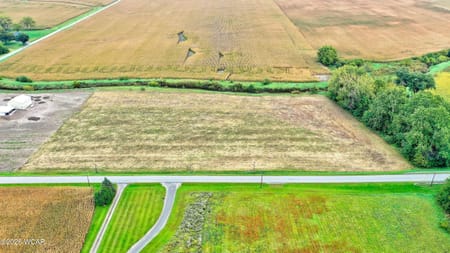
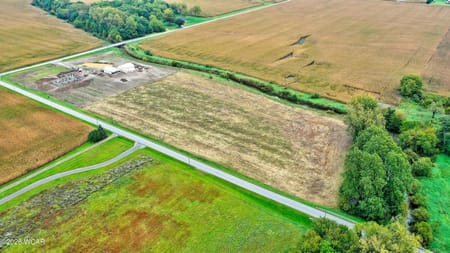
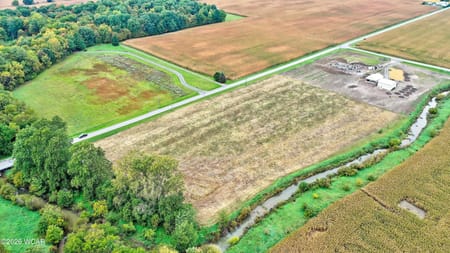
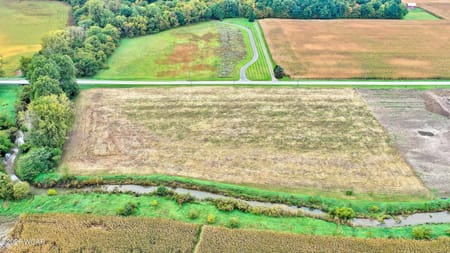
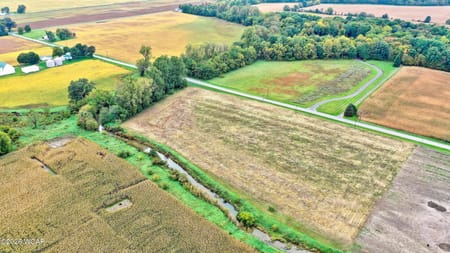
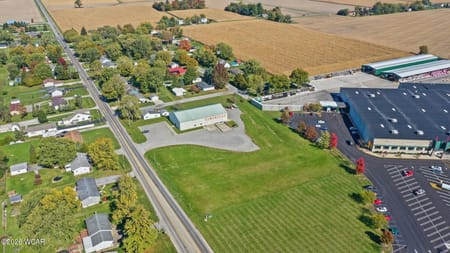
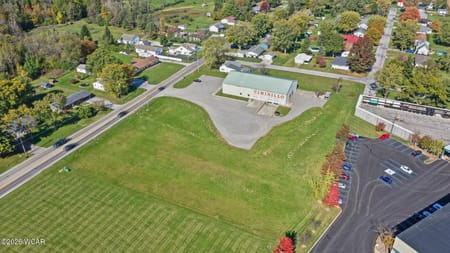
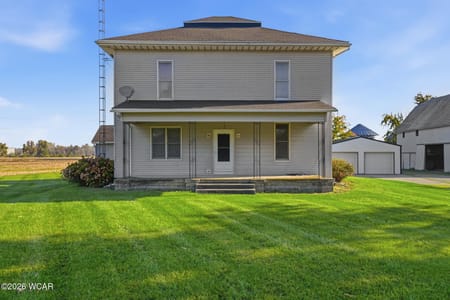
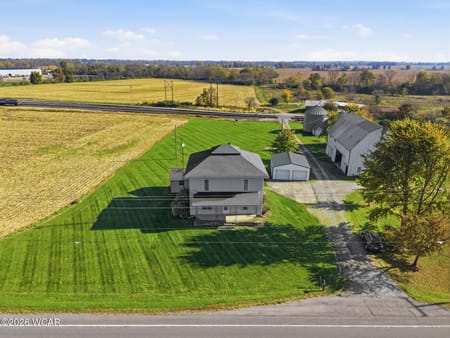
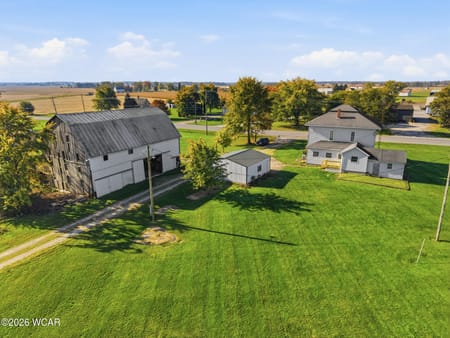
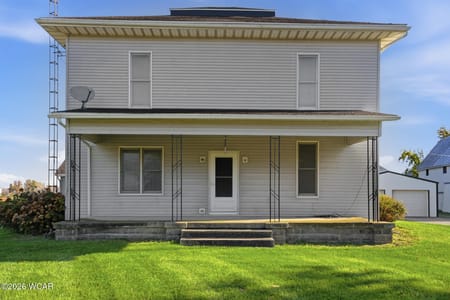
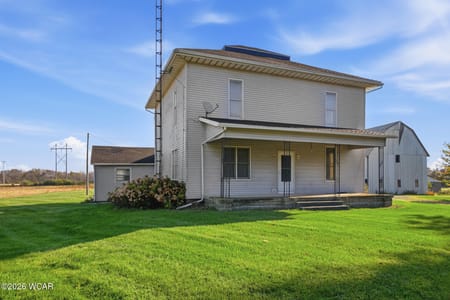
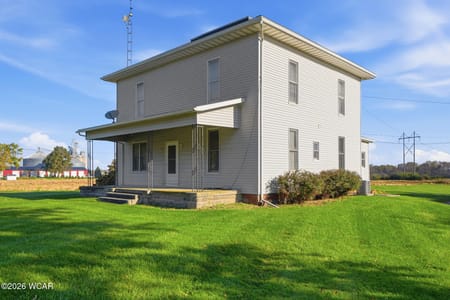
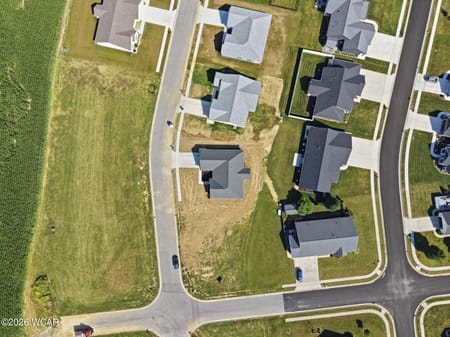
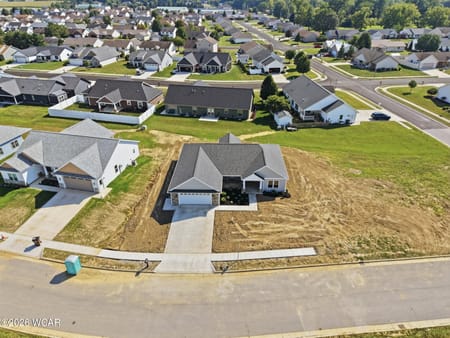
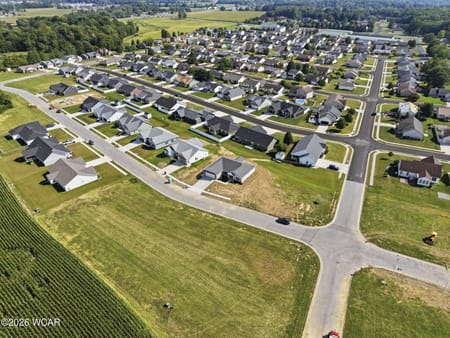
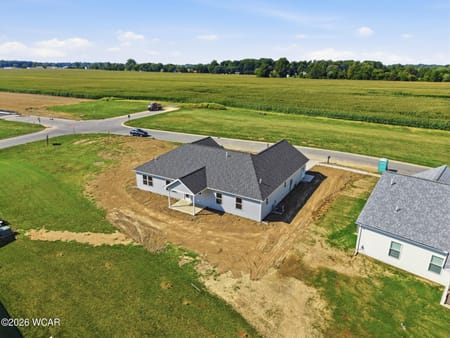
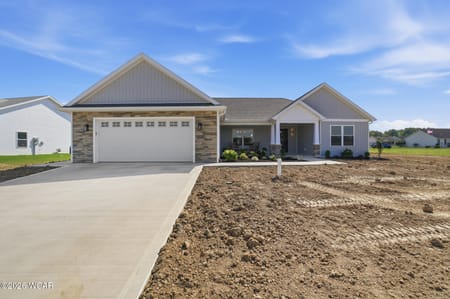
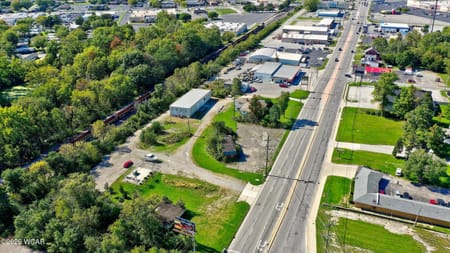
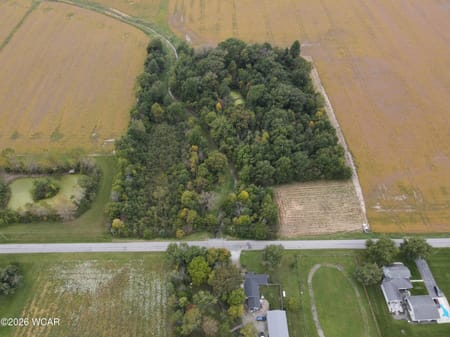
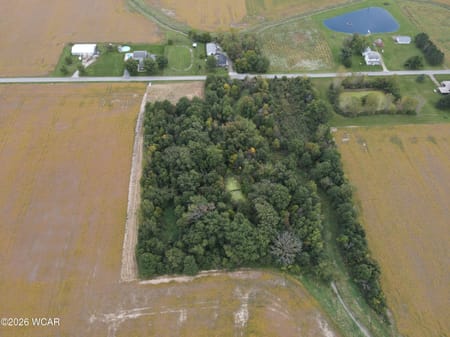
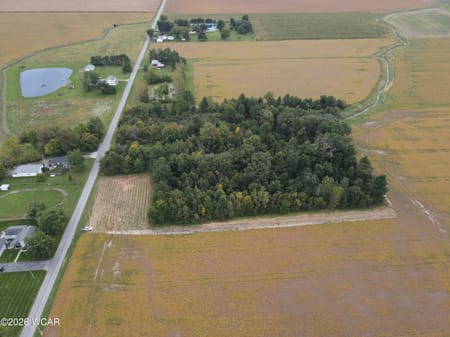
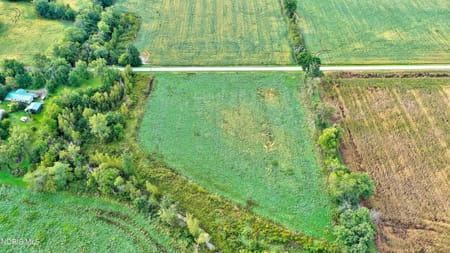
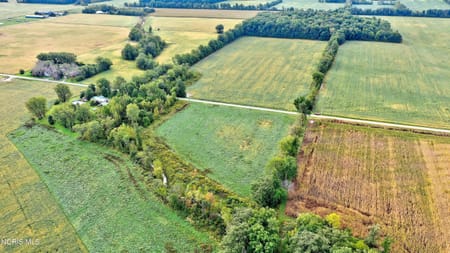
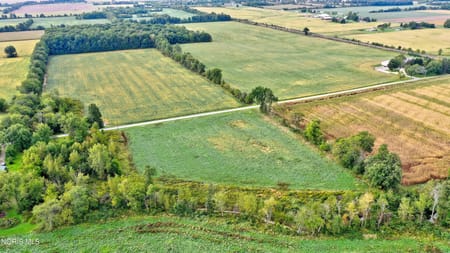
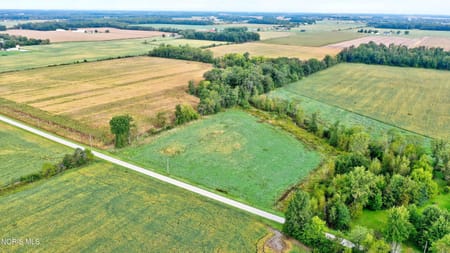
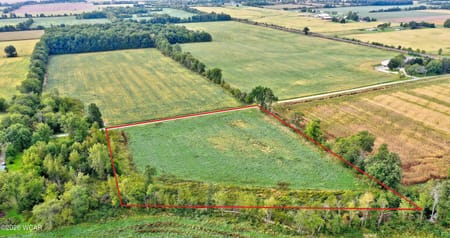
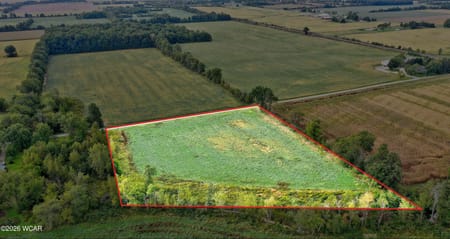
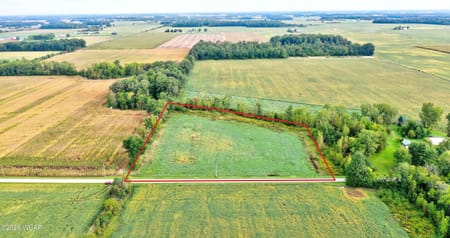
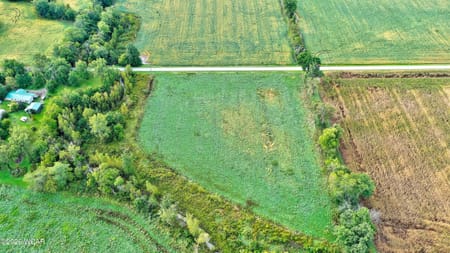
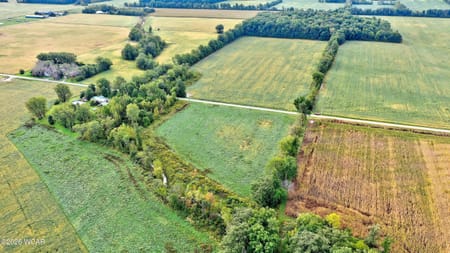
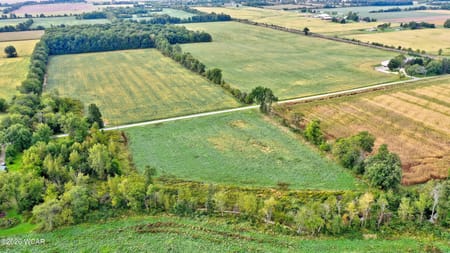
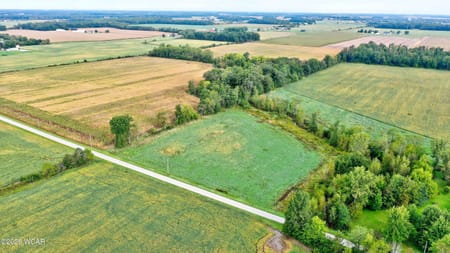
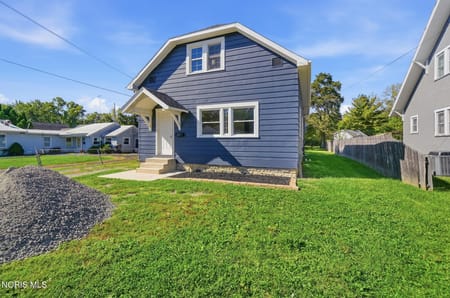
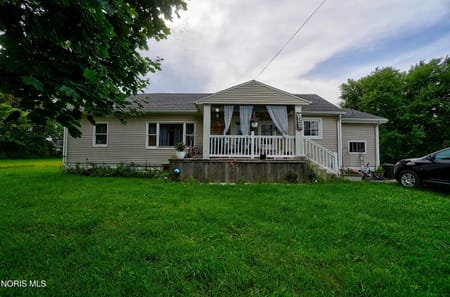
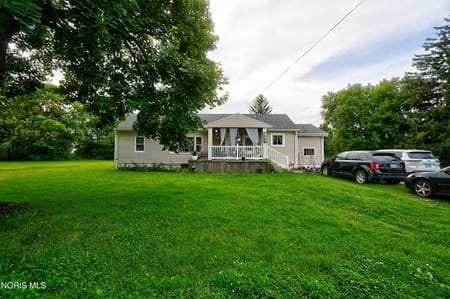
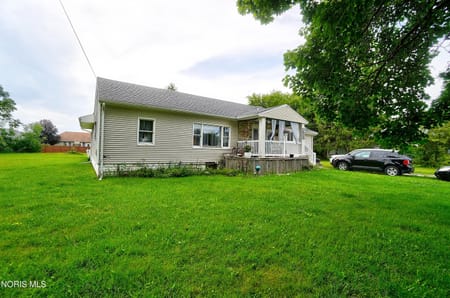
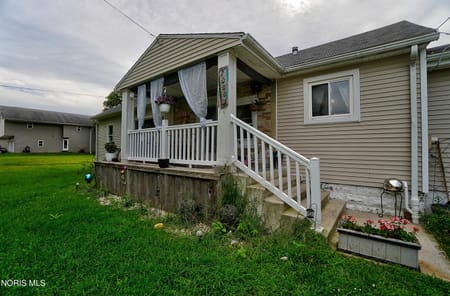
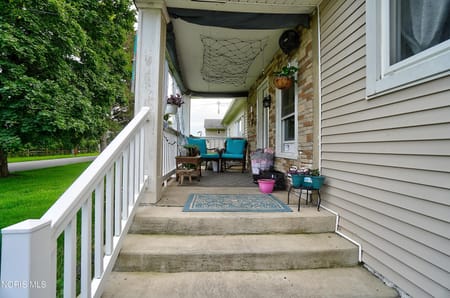
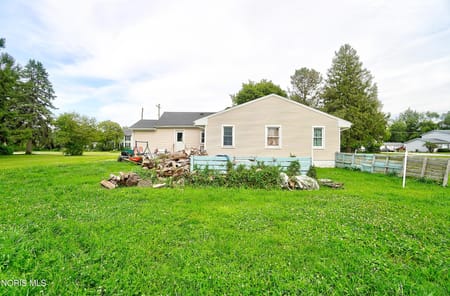
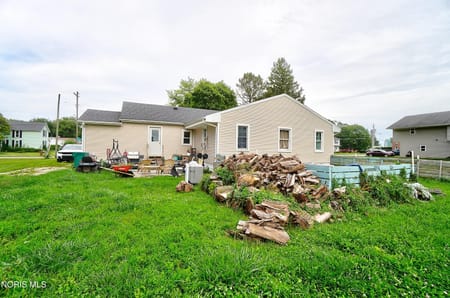
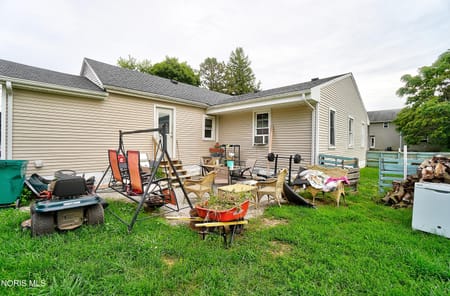
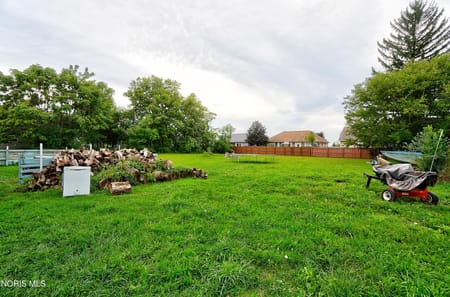
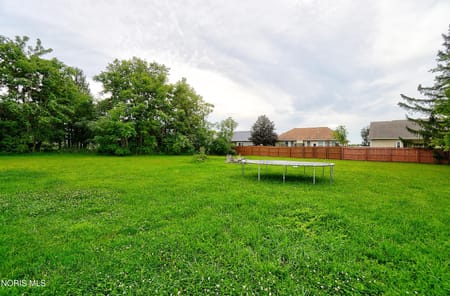
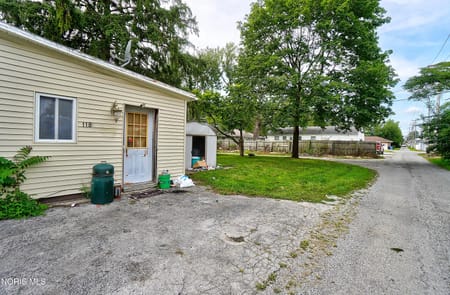
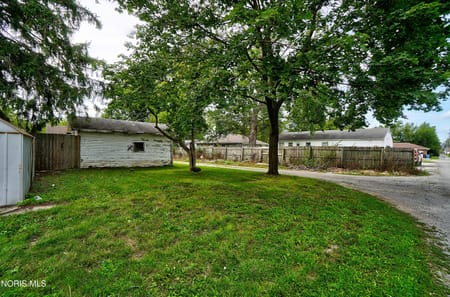
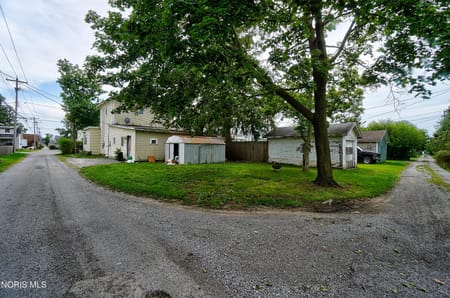
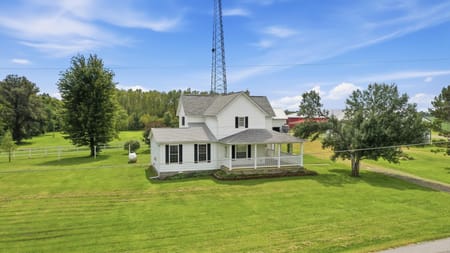
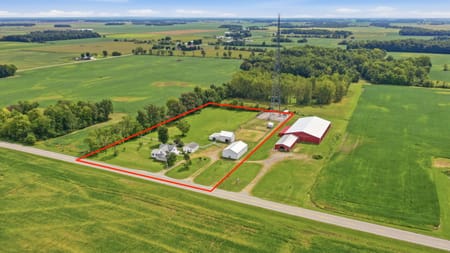
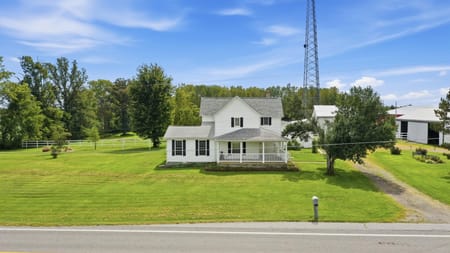
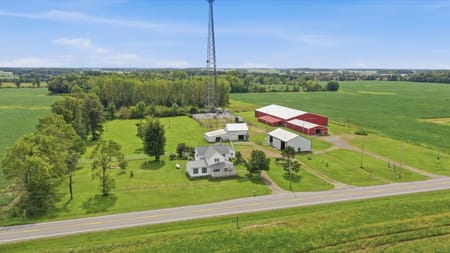
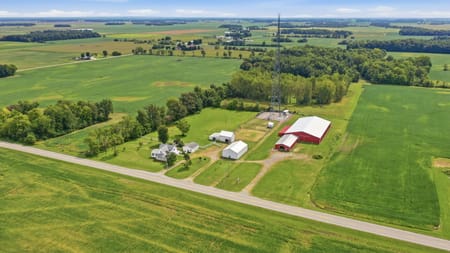
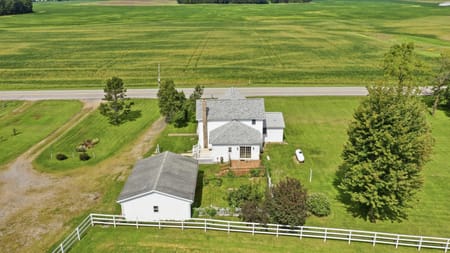
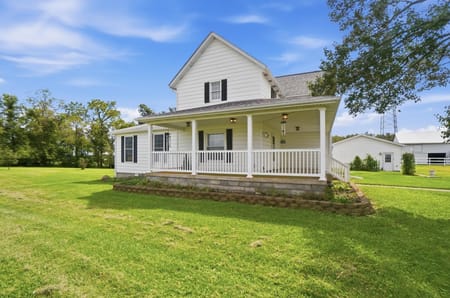
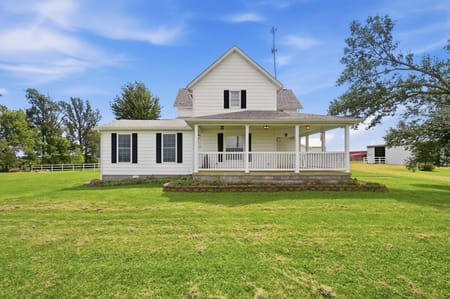
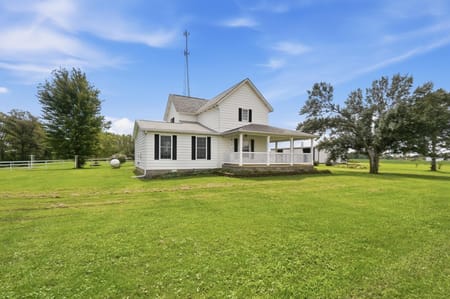
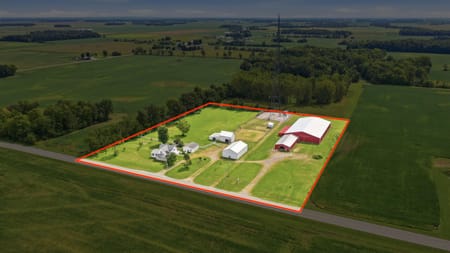
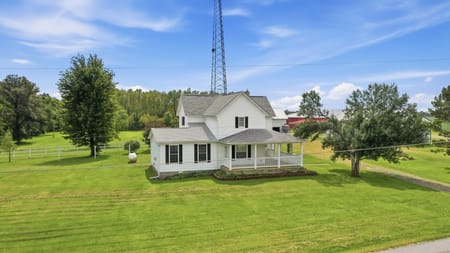
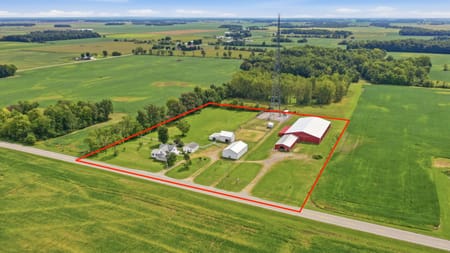
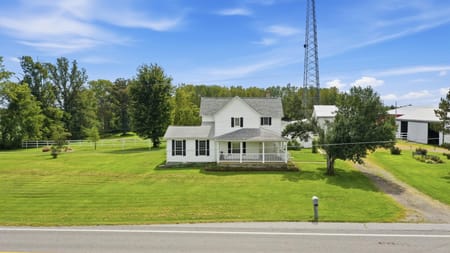
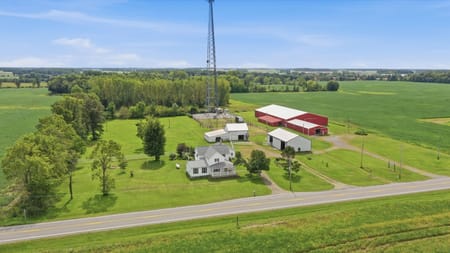
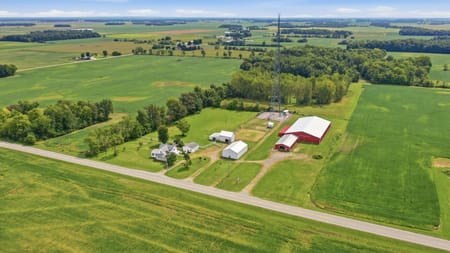
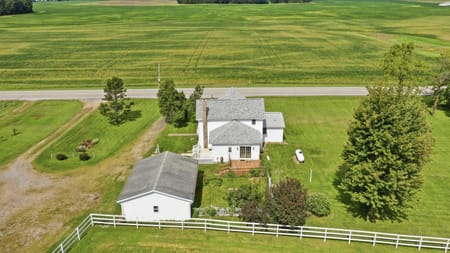
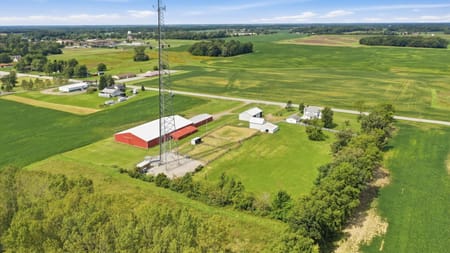
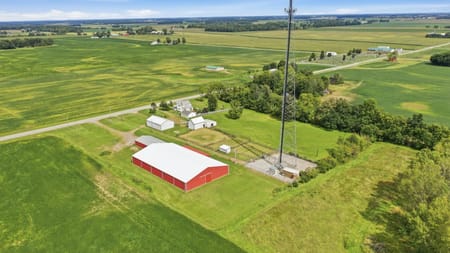
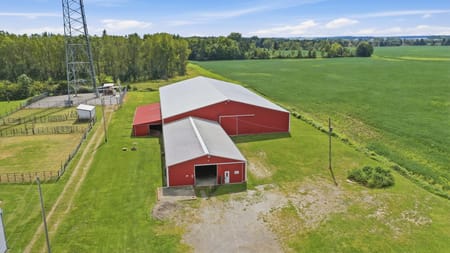
A home with land gives you space to use as you choose. Depending on local zoning, you may be able to keep a garden, raise animals, or build a shop. In the USDA’s 2022 Census of Agriculture, 48 percent of Ohio farms covered fewer than 50 acres. Some of that land comes wooded, since Ohio farms held about 1.55 million acres of woodland. Rural living also brings systems you manage yourself. Water and wastewater top that list.
Wells, Septic, and the County Health District
In Ohio, many residents get their drinking water from private systems such as wells, according to the Portage County Health District. The Ohio Department of Health sets the rules for private water systems. Your local health district carries them out. Private water systems include wells, springs, ponds, and cisterns. When a new system is finished, the water must pass tests for total coliform bacteria, E. coli, and nitrates.
Septic systems follow a similar path. Your local health district permits and inspects new or altered household sewage treatment systems. Before you buy, ask the health district for the well and septic records on file. It also pays to order a water test and a septic inspection. Ask how old the septic system is and when the tank was last pumped. Those records and tests show you what you are buying before you close.
Living Next to Working Farms
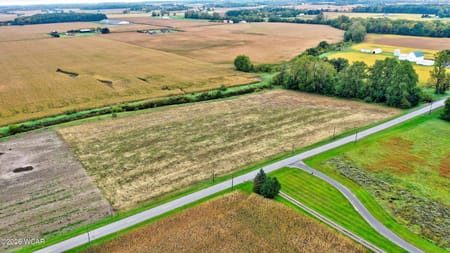
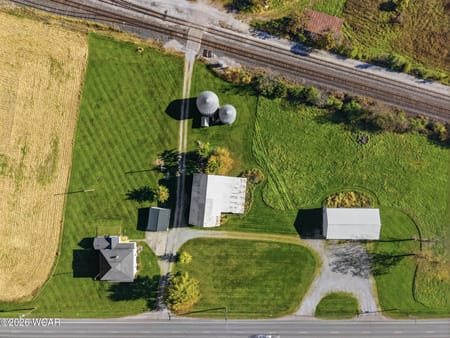
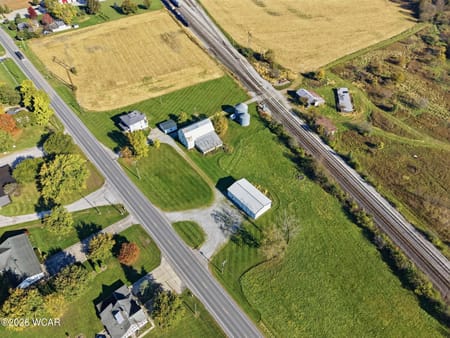
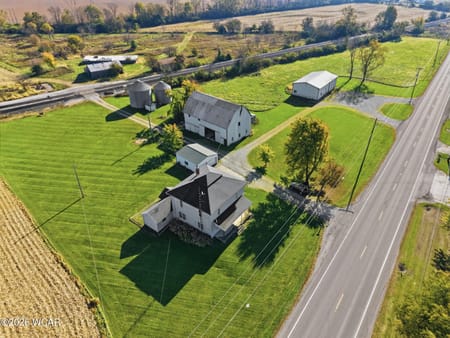
If the home sits near working farms, expect some farm activity. Even with good practices, farming can create dust, odors, and noise, according to OSU Extension. Ohio’s right to farm law, part of the Agricultural District program, protects enrolled farms. A farmer can use it as a defense when a neighbor who moved in later files a nuisance claim. The defense applies when the farm came first and follows accepted practices. So visit the property at different times of year, and ask the neighbors what to expect.
Questions Buyers Ask About Ohio Homes With Land
Can a home on acreage get the farm tax rate? Sometimes, if enough land stays in farming. Ohio’s CAUV program covers land with 10 or more acres in commercial farm use, not counting the homesite. Smaller tracts can qualify with at least $2,500 a year in average gross farm income. The homesite itself is not part of the CAUV acres. If enrolled land later leaves farm use, the owner repays three years of tax savings. Ask about CAUV status before you split off a homesite.
What should I check before buying a house with land in Ohio? Start with water, septic, and access. Ask the county health district for well and septic records. Then review the deed and survey for easements and boundary lines. Finally, check the tax bill for ditch or other special assessments.
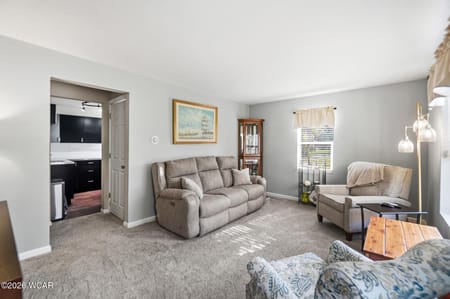
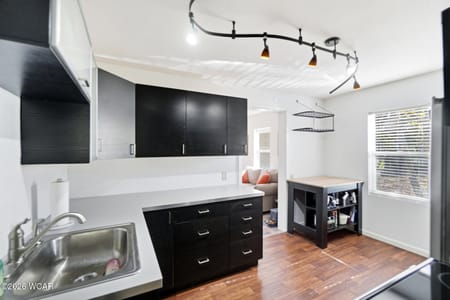
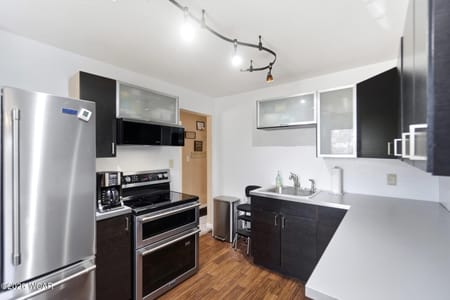
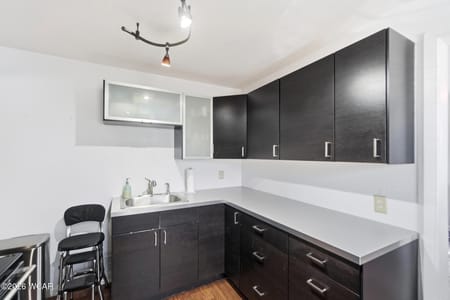
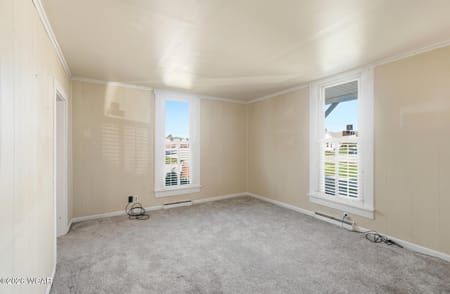
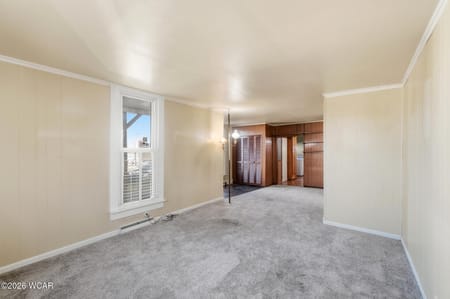
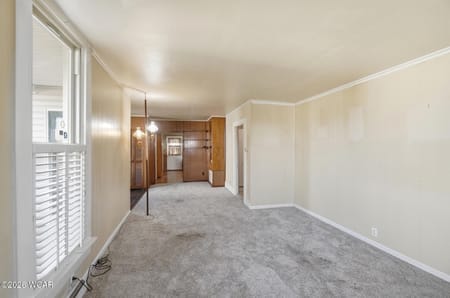
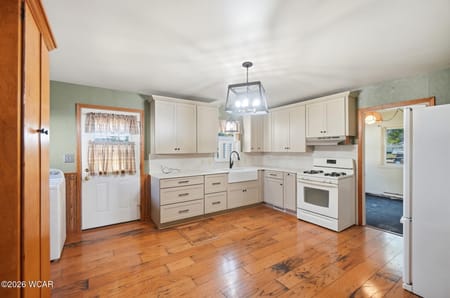
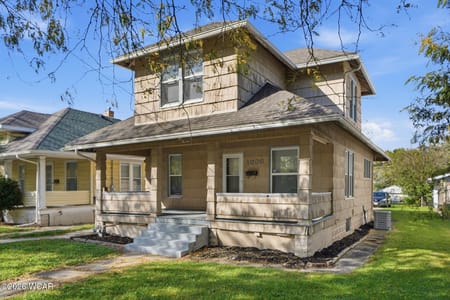
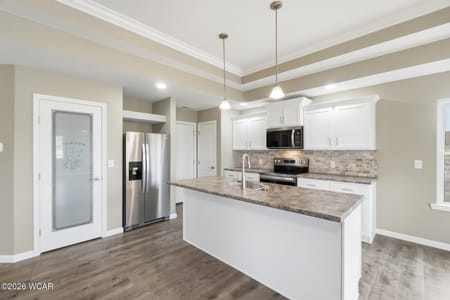
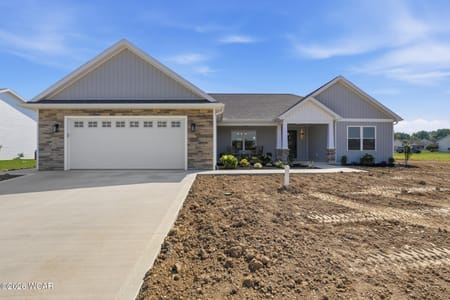
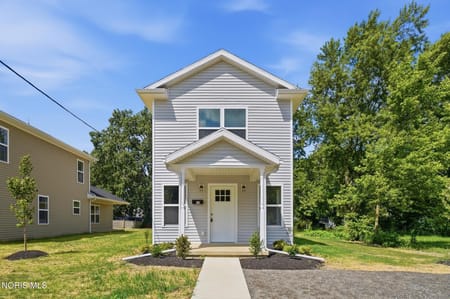
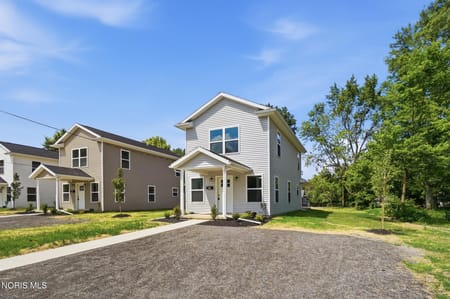
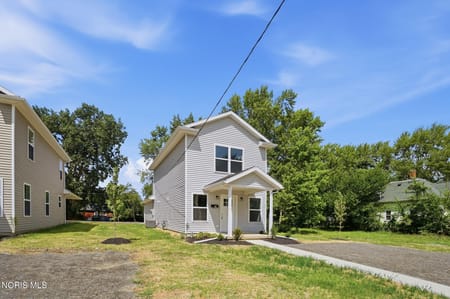
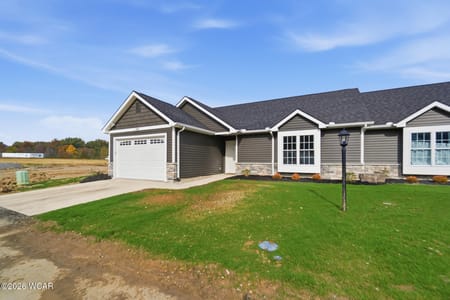
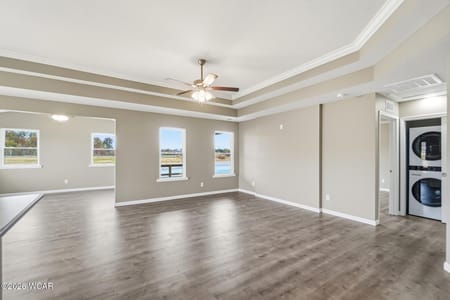
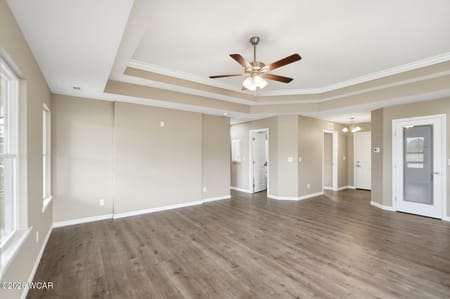
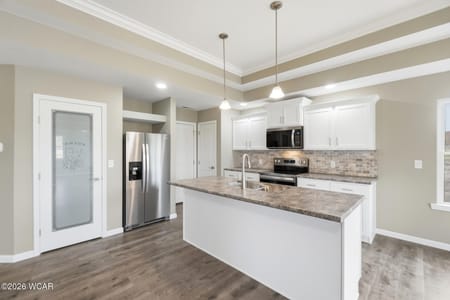
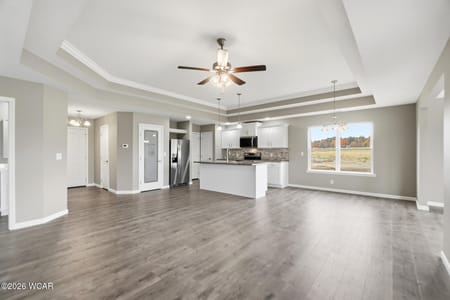
Ready to look? Browse the houses with land for sale in Ohio above. If you would rather build, our Ohio lots for sale may fit your plans. For help with a showing or an offer, talk with our Ohio residential real estate agents.