
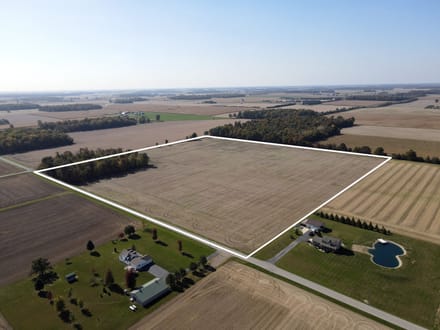
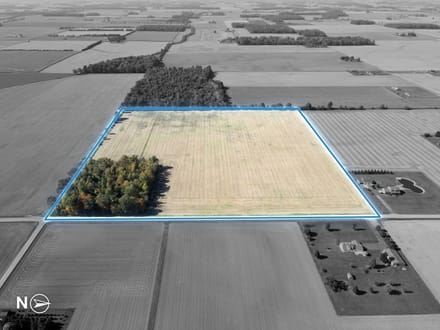
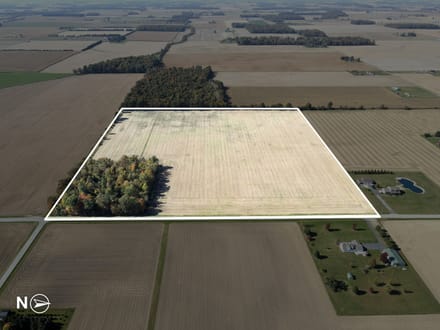
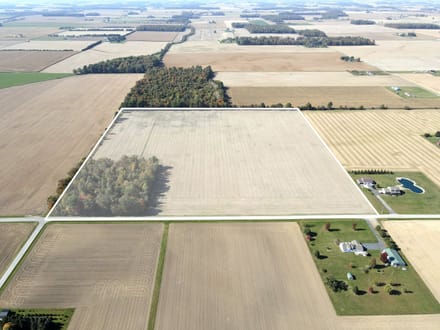





Farms for Sale in Ohio, From Small Homesteads to Corn and Soybean Ground
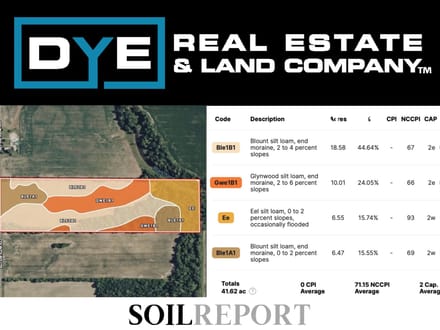
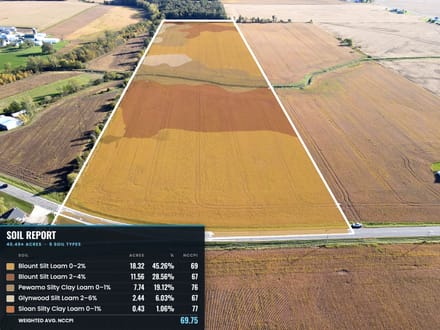
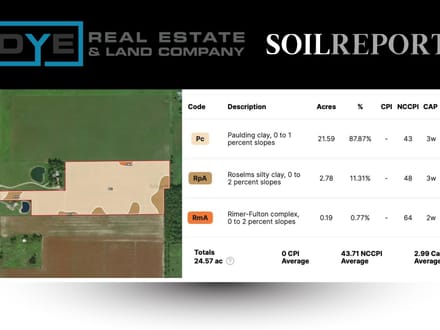
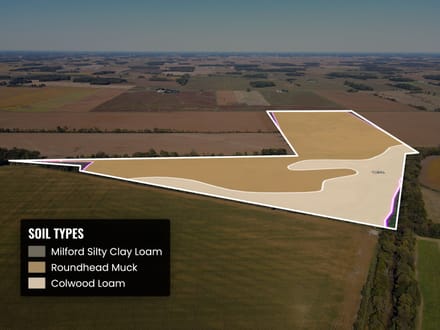
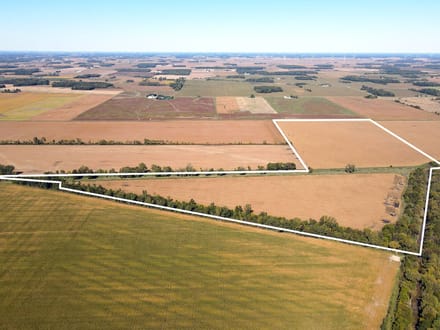
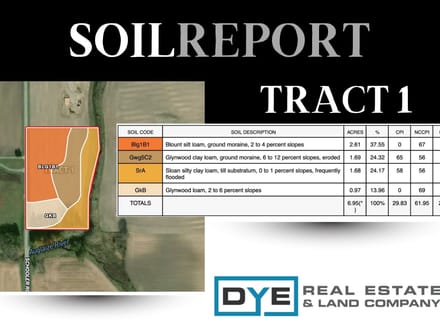
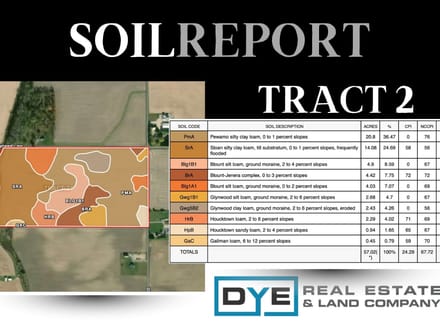
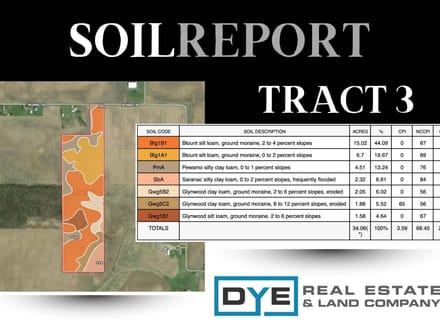
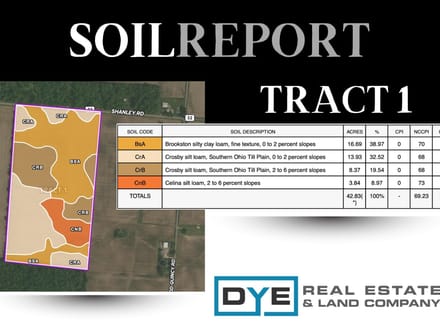
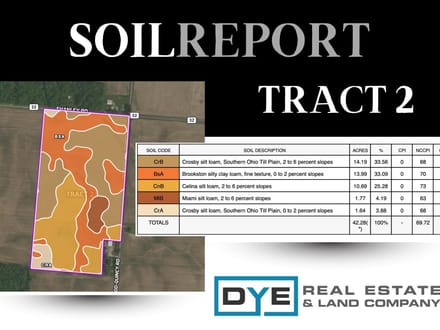
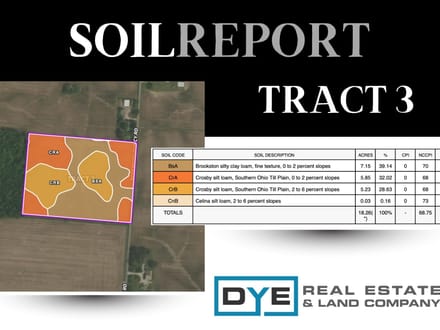
Crops make up the larger share of Ohio farm sales, at 57 percent in 2022. Of the 13.65 million acres in Ohio farms, about 10.5 million are cropland, according to the USDA’s 2022 Census of Agriculture. Soybeans led all crops at 4.83 million acres. Corn for grain came second at 3.31 million acres. For you as a buyer, that makes crop history worth studying. Ask for yield records and soil maps before you make an offer.
Ohio farms also come in every size. The average farm covered 180 acres in 2022, but most farms were smaller than that. Farms of 10 to 49 acres made up the largest group. That spread gives you options. Whether you want a small hobby farm or a large grain operation, Ohio has farms in that size range.
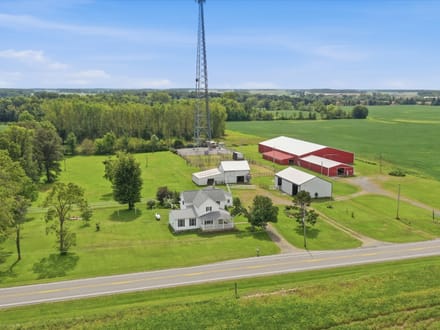
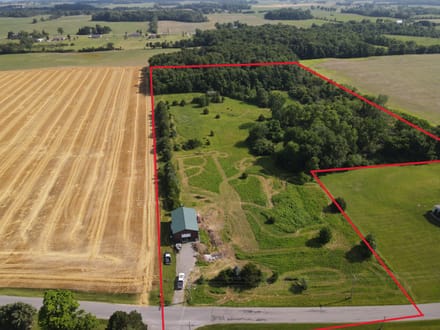
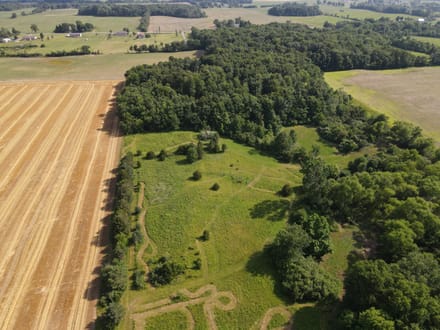
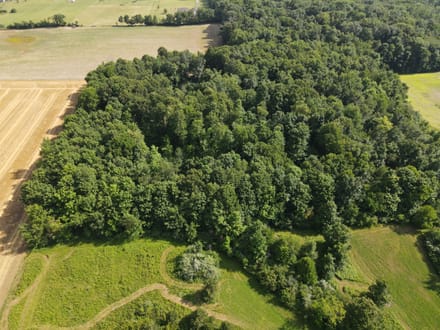
Not every acre on an Ohio farm is cropland. Ohio farms also held about 1.55 million acres of woodland in 2022. If you want hunting ground or a wooded homesite along with cropland, look for farms with a mix of both. Livestock has a place here too. Livestock and poultry made up 43 percent of Ohio farm sales in 2022. If you plan to raise animals, look for barns, fencing, and pasture in the listing details.
| Farm size | Share of Ohio farms, 2022 |
|---|---|
| 1 to 9 acres | 12% |
| 10 to 49 acres | 36% |
| 50 to 179 acres | 31% |
| 180 to 499 acres | 13% |
| 500 to 999 acres | 4% |
| 1,000 acres or more | 4% |
How CAUV Lowers the Tax Bill on Working Ground
Ohio taxes qualifying farmland on its farm value instead of its development value. The program is called Current Agricultural Use Value, or CAUV. Values are set by soil type, so more productive soils carry a higher CAUV value. Land qualifies with 10 or more acres in commercial farm use, not counting the homesite. Smaller tracts can qualify if they average at least $2,500 a year in gross farm income.
The land qualifies, not the owner. When you buy enrolled ground, ask the county auditor how to keep the enrollment active after closing. If you later take the land out of farm use, you repay the tax savings from the previous three years. Ohio calls that charge recoupment, so factor it in if you plan to build or develop.
Drainage and the Neighbors Next Door
Drainage deserves a close look on any Ohio farm. Under Ohio law, drainage on private property is the landowner’s responsibility. A farm may also sit inside a county petition ditch watershed. In that case, every parcel in the watershed shares the cost to build and maintain the ditch. Construction costs are paid with property taxes, and a maintenance assessment continues after that. Before you buy, ask for tile maps and check the tax bill for ditch assessments.
Ohio’s right to farm law is worth knowing too. Under the Agricultural District program, an enrolled farm can defend itself against nuisance claims from neighbors who move in later. You enroll the land through the county auditor. If you plan to farm, that protection helps you keep operating as homes go up around you.
Ready to compare farms? Browse the Ohio farms for sale above, or check upcoming Ohio land auctions. If you have questions about a tract, our Ohio farm real estate team can walk you through the soils, drainage, and taxes.